The Art of Cooking Authentic Jamaican Food
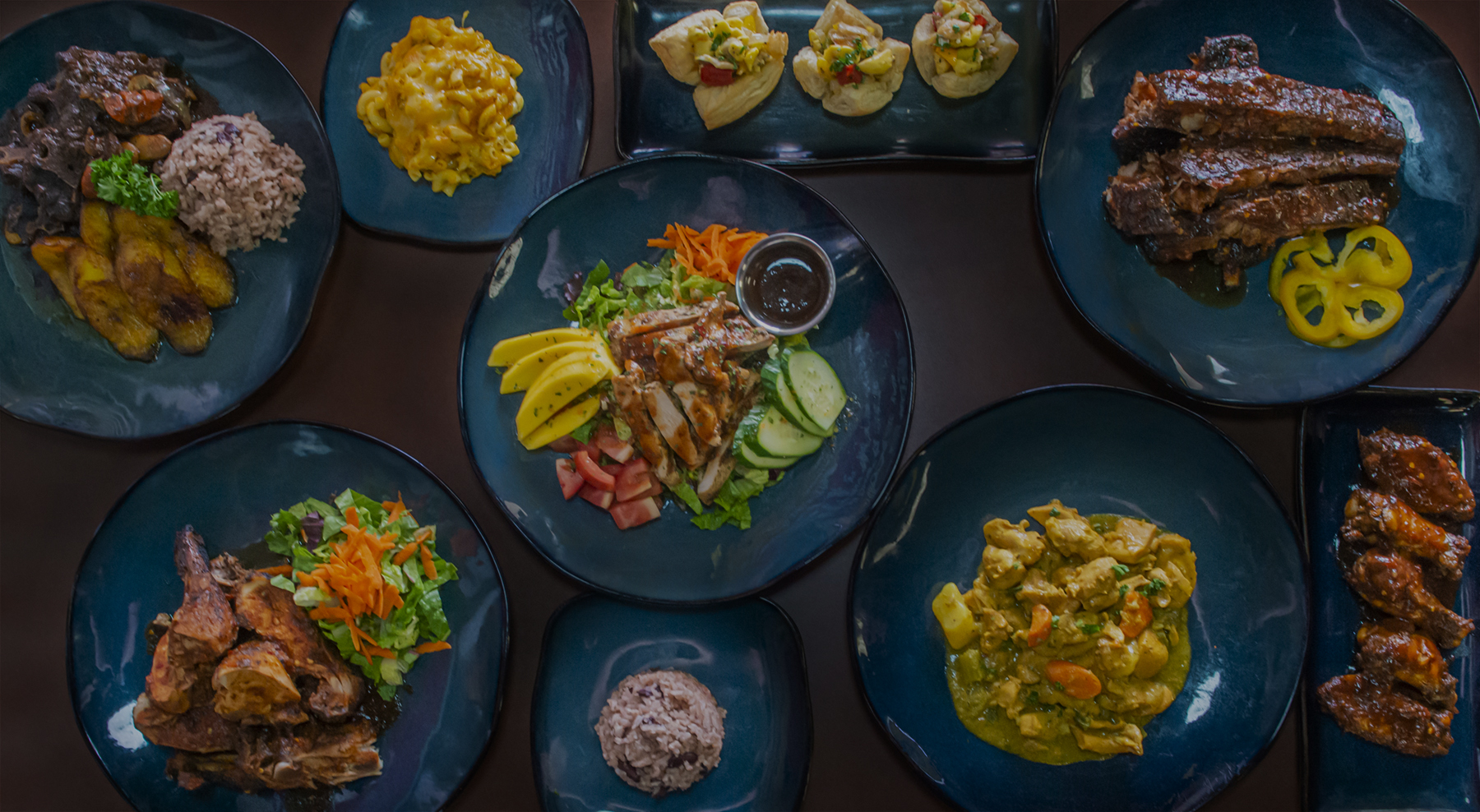
Authentic Jamaican food is often described through its bold flavors, but that shorthand barely touches what makes it special. The real character comes from balance, memory, and method. Heat matters, yes, but so do sweetness, smoke, acidity, allspice warmth, and the savory backbone of herbs, scallion, onion, and thyme. A good Jamaican meal tastes layered rather than loud. It carries the history of the island in every bite, from African cooking traditions to Indigenous ingredients, from British colonial influence to the resourcefulness that shaped home kitchens and roadside cook shops alike.
Anyone who has spent time around a Jamaican stove knows that recipes alone do not tell the whole story. You learn by smell, by sound, by the look of bubbling gravy at the edge of the pot. You learn that a seasoned cast iron pot behaves differently from a thin saucepan. You learn that coconut milk can round out spice without muting it, and that the difference between a good pot of rice and peas and a forgettable one is often patience rather than cost. Jamaican cooking rewards attention.
There is also a practical truth worth saying plainly. Many people encounter Jamaican food first through restaurant favorites like jerk chicken, curry goat, or patties. Those dishes deserve their popularity, but they can create a narrow picture. Home cooking on the island is broader and more textured than that. It includes soups that feel restorative after a long week, breakfast plates built around saltfish and provisions, braised meats dark with browning, fried plantains at the sweet edge of caramelization, and Sunday dinners where rice and peas, stewed meat, and steamed vegetables share the table. To cook authentic Jamaican food well, you need to understand not only the ingredients but the habits behind them.
Flavor begins before the heat goes on
One of the most important lessons in Jamaican cooking is that seasoning starts early. Meat is often cleaned, trimmed, and rubbed thoroughly with fresh and dry seasonings well before it reaches the fire. This step is not just culinary ritual. It changes the final dish. When chicken, goat, fish, or pork sits with scallion, thyme, garlic, onion, pimento, ginger, Scotch bonnet, and salt, the flavor moves inward rather than staying only on the surface.
That is why rushed versions often disappoint. You can cook a chicken leg in a spicy sauce and call it jerk-inspired, but it will not taste like jerk in the deep, satisfying way people expect. Proper seasoning needs time. Even thirty minutes helps, though a few hours is noticeably better, and overnight is often where the magic happens. The same principle applies to escovitch fish, brown stew chicken, and curry dishes. The seasoning bowl is where much of the final character is built.
Jamaican cooks also tend to season in layers. A marinade might do the first job. Browning, stock, coconut milk, ketchup, butter beans, fresh herbs, or pepper added later deepen the second and third layers. This is one reason Jamaican food feels rich without always being complicated. It is less about long ingredient lists than about when each ingredient enters the pot.
The pantry that gives Jamaican food its identity
Authentic Jamaican food can be made outside Jamaica, but substitutions should be chosen carefully. Some ingredients are so central that replacing them changes the soul of the dish.
Allspice, known in Jamaica as pimento, is one of those ingredients. It has a warm, aromatic profile that suggests clove, cinnamon, and nutmeg, but it is its own thing. Whole pimento berries often go into soups, stews, and jerk marinades. Ground allspice can work in a pinch, but whole berries provide a cleaner, slower release of flavor.
Thyme is another essential. Fresh thyme, especially, brings a grassy, savory note that threads through everything from rice and peas to fish tea. It is common enough that people can underestimate its importance. Remove thyme from several classic Jamaican dishes and they immediately taste flatter, less rooted.
Then there is Scotch bonnet pepper. This pepper is often treated as a dare, a symbol of raw heat, but its fruity aroma is just as important as its spice. Used well, it perfumes a pot. Used carelessly, it overwhelms it. A whole pepper dropped into soup or stew can lend flavor without making the dish punishingly hot, as long as it stays intact. Once it bursts, the heat spreads quickly, and there is no elegant way to pull it back.
A few staples deserve special mention because they reveal the island’s cooking logic so clearly.
- Browning sauce gives stews their dark color and faint bittersweet depth.
- Scotch bonnet contributes aroma, heat, and a fruity top note.
- Pimento ties together jerk, soups, and braises with unmistakable warmth.
- Coconut milk softens spice and enriches rice, rundown, and some curries.
- Green seasoning ingredients, especially scallion, thyme, garlic, and onion, form the base of countless dishes.
That pantry also includes salted cod, canned ackee where fresh is unavailable, dried red peas or gungo peas depending on the season, cassava, yams, green bananas, cho cho, and breadfruit. These are not exotic add-ons. They are daily ingredients in many Jamaican kitchens, and they shape the rhythm of meals.
Browning, charring, and the confidence to push flavor further
A lot of people who are new to Jamaican cooking stop just short of where the flavor develops. They sauté until soft but not quite caramelized. They grill until cooked through but not deeply charred. They add water too soon. They fear dark color, when in fact dark color is often the point.
Brown stew chicken is a perfect example. Properly made, it gets its name not from a little color on the skin but from a full, glossy, dark gravy built from seared chicken, browned sugar or bottled browning, aromatics, and careful simmering. Done right, it tastes savory with a touch of sweetness and a slight edge that keeps it from becoming heavy. Done timidly, it tastes like generic stewed chicken.
The same idea applies to jerk. Traditional jerk is not simply spicy grilled meat. It is smoke, scorch, spice, sweetness, and juice held in tension. Pimento wood has a major role in classic outdoor jerk cooking, and while many home cooks outside Jamaica do not have access to it, they can still pursue the same effect by cooking over charcoal, using allspice generously, and allowing the surface to char in spots. Jerk should look lived in, not polished.
This is a theme throughout Jamaican food. Flavor is often driven by the Maillard reaction, by smoke, by reduction, by ingredients that are allowed to become deeper and darker. That does not mean everything must be overcooked. Fish should still be moist, vegetables should still hold some life, and festivals should remain tender inside. But the cuisine generally rewards cooks who understand how far they can go without crossing into bitterness.
The structure of a Jamaican meal
Many beloved Jamaican dishes make the most sense in context. Rice and peas is rarely the entire story. It sits beside stewed chicken, curry goat, oxtail, fried fish, or callaloo. Hard dough bread belongs with breakfast and tea. Fried dumplings support salty, flaky mackerel or ackee and saltfish. Ground provisions such as yam, green banana, and boiled dumplings anchor soups and breakfasts with practical heft.
That structure reflects both taste and usefulness. A plate often balances soft and firm textures, rich elements and plain starches, peppery notes and mellow ones. It also reflects a kitchen economy developed over generations. You cook enough rice to feed many. You stretch flavor with gravy. You rely on provisions that fill people properly. You transform modest ingredients through seasoning and technique rather than expensive garnish.
This is one reason Jamaican food feels generous. Even when the ingredients are humble, the cooking does not feel stingy. A bowl of red peas soup can contain dumplings, pumpkin, yam, carrots, spinners, scallion, thyme, and meat, all working together in a broth that tastes complete. There is no sense that anything is missing.
Jerk is a method, not just a seasoning blend
Few Jamaican foods have traveled as widely as jerk, and few are misunderstood as often. In many places, “jerk” has become shorthand for any sweet spicy marinade. Authentic jerk is much more specific. It is rooted in preservation and slow cooking traditions, especially those developed by the Maroons. Its flavor profile depends heavily on pimento and Scotch bonnet, along with thyme, scallion, ginger, garlic, and often nutmeg or cinnamon in smaller amounts. The texture matters too. A good jerk paste should cling rather than slide off.
More importantly, jerk is shaped by fire. Traditional jerk pork and jerk chicken are cooked low and slow over wood or charcoal, often with smoke trapped to season the meat while it cooks. The result is not merely hot. It is aromatic, juicy, and slightly blackened around the edges, with spice embedded in every cut.
A common mistake is to rely on bottled sauce applied at the end. Sauce can add a final gloss, but it cannot replace the effect of marination and smoke. Another mistake is to make jerk all about sugar. Some sweetness is fine, especially if a recipe includes a little brown sugar to balance heat, but the dominant notes should be pimento, herb, smoke, and pepper.
For a home cook without a dedicated smoker, the closest path is a charcoal grill with indirect heat. Sear first, then move the meat to a cooler side, cover, and let it cook through slowly. If working indoors, a hot oven can still produce excellent results, but it helps to finish under high heat to create darker edges. Texture matters as much as seasoning.
Why rice and peas exposes the cook
Ask many Jamaicans what they notice first at a family meal, and you may hear the same answer: the rice. Rice and peas looks simple. It is not. It asks for precision disguised as ease. The grains should be separate but not dry, fragrant but not perfumed into oblivion, rich with coconut yet not greasy. The peas, often kidney beans or gungo peas depending on the version, should be tender and seasoned, not just decorative.
What separates a good pot from a mediocre one is restraint. Too much coconut milk and the rice turns heavy. Too much liquid and it becomes soft or mushy. Too little salt and the entire plate feels lifeless, no matter how flavorful the meat beside it may be. Scallion, thyme, pimento, garlic, and Scotch bonnet should all be present, but in proportion. The rice should support the meal, not steal it.
Experienced cooks also know that the pot itself matters. A heavier pot retains heat evenly and helps the rice finish gently once the flame is lowered. Opening the lid too often is another classic error. Jamaican rice dishes usually benefit from steady steam. Disturb that process and the texture suffers.
Ackee and saltfish, and the discipline of simplicity
Ackee and saltfish is Jamaica’s national dish, and its best versions show unusual restraint. The ackee should remain delicate, almost buttery, while the saltfish brings salinity and texture. Onion, tomato, scallion, thyme, black pepper, and Scotch bonnet may all appear, but they should frame the dish, not dominate it.
The trap here is overworking the ackee. Fresh ackee, where legally and safely available, requires careful handling because unripe ackee is dangerous. Outside Jamaica, most cooks use canned ackee, which is practical and often very good. Either way, ackee is fragile. Stir too much and it breaks down into something closer to scrambled eggs than the soft curds the dish is known for.
Saltfish also needs judgment. It must be soaked and boiled enough to remove excess salt, but not so aggressively that it becomes bland. There is no universal timing because different brands and cuts vary widely. This is exactly the kind of detail that separates a recipe follower from a cook. You taste, you assess, and you adjust. Authentic Jamaican food often works this way.
Curry in a Jamaican key
Jamaican curry differs from Indian curries in obvious ways, though the influence is real and historically significant. In Jamaica, curry powder often includes turmeric, coriander, cumin, fenugreek, and other spices, but the final dish tends to be less sauce-heavy than many restaurant curries elsewhere. It is often brighter, with thyme, scallion, Scotch bonnet, and sometimes potato creating a distinct island identity.
One of the most important techniques is “burning” the curry, though the phrase can mislead newcomers. The goal is not to scorch the powder into bitterness. It is to cook the curry briefly in hot oil, often with garlic and onion, to wake the spices and deepen their flavor before liquid is added. Skip this step and the dish can taste raw and dusty.
Curry goat, especially, benefits from patience. Goat is flavorful but can be firm, and it needs enough simmering time to soften without falling apart into shreds. A pressure cooker helps many home cooks, but even then, the final stages should happen uncovered so the gravy can tighten and concentrate. The best curry goat has meat that yields easily while still holding shape, with a sauce rich enough to cling to rice.
Fried fish, escovitch, and the value of contrast
Jamaican escovitch fish is one of the clearest demonstrations that bold food does not always mean heavy food. The fish is usually fried until the skin turns crisp and deeply golden. Then it is topped with a sharp pickle of carrots, onions, Scotch bonnet, and vinegar. The pleasure comes from contrast: hot fish, cool acidity, crunchy vegetables, and the sweet heat of pepper.
This dish reveals another truth about Jamaican cooking. Timing matters as much as seasoning. If the fish sits too long before serving, the skin softens. If the escovitch vegetables are cooked too far, they lose their bite. If the vinegar overwhelms everything else, the plate becomes harsh rather than lively. Good escovitch should brighten the fish, not erase it.
The same love of contrast appears all over Jamaican food. Think of sweet fried ripe plantain beside salty saltfish. Think of rich oxtail with butter beans alongside a plain mound of white rice. Think of pepper shrimp, fiery and sticky, eaten with something simple to steady the palate. The cuisine understands relief as well as intensity.
The mistakes that flatten authentic Jamaican food
Many errors come from good intentions. People want more color, more spice, more sauce, more speed. Yet Jamaican cooking often suffers when pushed in the wrong direction.
Here are a few mistakes that show up repeatedly in home kitchens:
- seasoning only at the end rather than before cooking
- using habanero as a direct stand-in for Scotch bonnet without considering aroma differences
- over-sugaring jerk and stew until they taste sticky rather than savory
- undercooking thyme, scallion, and pimento so the pot never develops depth
- treating side dishes as filler instead of seasoning them properly
Another problem is the temptation to sanitize the food for convenience. Boneless skinless chicken breast cooks quickly, but it rarely gives the same depth as bone-in thighs or drumsticks in brown stew or curry. Lean cuts can work, but they require compensation elsewhere, usually in stock, marination time, and careful cooking. Jamaican food often gets much of its character from bones, collagen, rendered fat, and patient simmering. That is not an accident.
There is also the issue of heat management. A pot that boils too hard can tighten meat, split coconut milk, and muddy flavors. Too low a fire, on the other hand, can leave stews watery and pale.
When the pot needs control, a simple sequence helps:
- Start with enough heat to build color and wake the aromatics.
- Add liquid only after the base has developed flavor.
- Reduce to a steady simmer rather than a rolling boil.
- Finish uncovered if the gravy needs concentration.
- Taste for salt and pepper only near the end, once the liquid has reduced.
That kind of pacing is at the heart of authentic Jamaican food. It is not flashy, but it is decisive.
Cooking with memory, not nostalgia alone
It is tempting to romanticize Jamaican food, especially if your first encounter came at a family gathering, on a beach, or from a favorite neighborhood spot with smoke drifting out the back. Memory matters. So does place. Food cooked in Kingston, Montego Bay, Port Antonio, or a rural parish kitchen will not be identical. Families season differently. Some use more ginger, others more pimento. Some like a sweeter stew, others keep it darker and more savory. Authenticity in Jamaican cooking does not mean rigid uniformity.
What it does mean is respect for the cuisine’s internal logic. You cannot strip out the seasoning process, flatten the spice profile, rush the cooking, and still claim the same result. You can adapt for modern kitchens, for ingredient availability, and for personal preference. Most home cooks do. But the dish must still taste like itself.
That may be https://rentry.co/rtnvbi3w the real art. Jamaican food asks the cook to preserve identity while making practical judgments. Maybe you use canned beans on a busy weeknight but still simmer them with coconut milk, thyme, and pimento long enough to taste integrated. Maybe you bake jerk chicken in winter because grilling is unrealistic, but you still marinate overnight and give the skin a proper finish under high heat. Maybe your ackee is canned, your callaloo comes from a specialty market, and your pimento arrives by mail. None of that disqualifies the meal. What matters is whether you understand what each ingredient and technique is doing.
The best Jamaican cooks I have known share that instinct. They taste constantly. They watch the pot. They know when to add water and when not to. They know that pepper can perfume as well as punish, that thyme should be obvious without being dominant, and that good gravy should coat the back of a spoon. They rarely chase perfection in a fussy sense. They chase fullness, balance, and the unmistakable feeling that the food has been cooked with conviction.
That is what makes authentic Jamaican food so compelling. It is generous without waste, robust without carelessness, and deeply expressive without requiring theatrical complexity. Learn the seasoning habits, respect the ingredients, and give the pot enough time. The food will meet you there.
Reggae Pot Jamaican Grill
7562 S University Blvd C, Centennial, CO 80122
(303) 997-5623
FAQ About jamaican food
What is the best Jamaican food to try in Centennial?
The best choice depends on your preferences. Reggae Pot Jamaican Grill offers jerk chicken, curry goat, oxtail, and escovitch snapper, along with sides such as rice and peas and fried plantains. Ask the restaurant about current availability and spice levels before ordering.
Is Jamaican food very spicy in Centennial?
Heat varies by dish and preparation. Jerk dishes can be hot, while some stews and sides are milder. Tell the restaurant your preferred heat level and ask which options suit you.
What is typically on a Jamaican menu?
Common choices include jerk chicken, curries, oxtail, fish, patties, rice and peas, and plantains. Reggae Pot also lists ackee and saltfish and vegetable dishes. Menus and availability can change, so confirm your choices when ordering.